Travel blogs
Stories, tips, and city guides from members on the move.
Recent travel stories

Must-see in Ostrava: a first-timer's guide
A brief history Ostrava began as a small village on the Ostravice and Opava rivers, but the 18th-century discovery of rich coal seams transformed it into the industrial powerhouse of Austrian Silesia. Ironworks, steelworks and mines followed, drawing workers from across the empire and shaping a gritty, hard-working city. After 1989, heavy industry declined and Ostrava turned its factories into museums, galleries and concert venues. Today it is a dynamic post-industrial city where blast furnaces, mine shafts and Art Nouveau villas sit side by side with a growing tech and arts scene. 10 must-see attractions 1. Dolní oblast Vítkovice — the former ironworks turned into a UNESCO industrial heritage site, with concerts, festivals and the dramatic Bolt Tower. 2. Bolt Tower — a sleek viewing tower built on top of a blast furnace, giving panoramic views over the vast steelworks and city. 3. Landek Park — a former mining complex where you can descend into a real coal mine and learn about Ostrava's industrial past. 4. Silesian-Ostrava Castle — a medieval castle at the confluence of the Ostravice and Lučina rivers, with a museum and summer events. 5. New Town Hall viewing tower — the tallest city-hall tower in the Czech Republic, with a 360-degree view from the top. 6. Masarykovo náměstí — Ostrava's main square, lined with cafés and dominated by the impressive Art Nouveau New Town Hall. 7. Stodolní — a street famous for its bars, clubs and restaurants, and the heart of Ostrava's nightlife. 8. Ema slag heap — a 315-metre artificial hill built from mining waste, now a nature reserve with hiking trails and unexpected views. 9. Ostrava Zoo — one of the best zoos in the Czech Republic, known for its large, natural enclosures and rare species. 10. Michal Mine — a perfectly preserved coal mine where you can see the original mine shafts, workshops and the miners' changing room. Tip: Ostrava is only three hours by train from Prague, making it an ideal weekend escape for anyone interested in industrial heritage, contemporary culture and a very different side of the Czech Republic.

Must-see in Opava: a first-timer's guide
A brief history Opava grew on the amber trade route and was first mentioned in the 12th century, becoming the capital of the Duchy of Opava and later the administrative seat of Austrian Silesia. Centuries of Habsburg rule brought grand civic buildings, churches and the country's oldest public museum, founded in 1814. Heavy fighting in 1945 destroyed much of the centre, and what stands today is a careful mix of restored Gothic and Baroque landmarks with post-war rebuilding — a calm, green Silesian city that most visitors have to themselves. 10 must-see attractions 1. Horní náměstí (Upper Square) — the long central square lined with pastel façades, cafés and fountains. 2. Hláska — the Renaissance-style city tower and old cloth hall; climb it for a view over the rooftops. 3. Silesian Museum — the oldest public museum in the Czech lands, with nature, history and art collections. 4. Church of the Assumption of the Virgin Mary — the vast red-brick Gothic concatedral, Opava's landmark. 5. Church of the Holy Spirit and the Minorite Monastery — Gothic interiors and the ducal burial vault of the Přemyslids of Opava. 6. Silesian Theatre — a handsome 19th-century theatre still hosting opera and drama. 7. Church of St. Adalbert — a Baroque Jesuit church on the edge of the old town. 8. Městské sady (City Park) — the ring of parkland on the former town walls, perfect for a slow loop. 9. Kravařský palác and Blücher Palace — Baroque nobility palaces that show off Opava's Silesian wealth. 10. Hradec nad Moravicí Castle — a white-and-red château 10 km south where Beethoven and Liszt played; an easy half-day trip. Tip: Opava is 30 minutes by train from Ostrava, so it makes a perfect quiet day trip.
Must-see in Dubai: a first-timer's guide
New to Dubai? These are the sights locals send visitors to first — enough for a long weekend, and all reachable without a car. 1. Burj Khalifa observation deck 2. Dubai Mall and the fountains 3. Old Dubai souks and abra ride 4. Jumeirah Mosque 5. Desert safari at sunset 6. Palm Jumeirah boardwalk Tip: go early for the big-ticket sights, and leave one afternoon free to just wander a neighbourhood on foot. That is usually where Dubai sticks with you.
Must-see in Jerusalem: a first-timer's guide
New to Jerusalem? These are the sights locals send visitors to first — enough for a long weekend, and all reachable without a car. 1. Western Wall 2. Church of the Holy Sepulchre 3. Dome of the Rock esplanade 4. Ramparts Walk on the Old City walls 5. Mahane Yehuda Market 6. Mount of Olives viewpoint Tip: go early for the big-ticket sights, and leave one afternoon free to just wander a neighbourhood on foot. That is usually where Jerusalem sticks with you.
Must-see in Lahore: a first-timer's guide
New to Lahore? These are the sights locals send visitors to first — enough for a long weekend, and all reachable without a car. 1. Badshahi Mosque 2. Lahore Fort 3. Shalimar Gardens 4. Walled City and Delhi Gate 5. Wagah border ceremony 6. Food Street at Fort Road Tip: go early for the big-ticket sights, and leave one afternoon free to just wander a neighbourhood on foot. That is usually where Lahore sticks with you.
Must-see in Kyoto: a first-timer's guide
New to Kyoto? These are the sights locals send visitors to first — enough for a long weekend, and all reachable without a car. 1. Fushimi Inari's torii gates 2. Kinkaku-ji golden pavilion 3. Arashiyama bamboo grove 4. Gion district in the evening 5. Kiyomizu-dera 6. Nishiki Market Tip: go early for the big-ticket sights, and leave one afternoon free to just wander a neighbourhood on foot. That is usually where Kyoto sticks with you.
Must-see in Seoul: a first-timer's guide
New to Seoul? These are the sights locals send visitors to first — enough for a long weekend, and all reachable without a car. 1. Gyeongbokgung Palace and the guard change 2. Bukchon Hanok Village 3. N Seoul Tower 4. Insadong and Jogyesa Temple 5. Gwangjang Market 6. Han River park at sunset Tip: go early for the big-ticket sights, and leave one afternoon free to just wander a neighbourhood on foot. That is usually where Seoul sticks with you.
Must-see in Singapore: a first-timer's guide
New to Singapore? These are the sights locals send visitors to first — enough for a long weekend, and all reachable without a car. 1. Gardens by the Bay Supertrees 2. Marina Bay Sands SkyPark 3. Singapore Botanic Gardens 4. Chinatown and Little India 5. Sentosa beaches 6. Hawker dinner at Lau Pa Sat Tip: go early for the big-ticket sights, and leave one afternoon free to just wander a neighbourhood on foot. That is usually where Singapore sticks with you.
Must-see in Kuala Lumpur: a first-timer's guide
New to Kuala Lumpur? These are the sights locals send visitors to first — enough for a long weekend, and all reachable without a car. 1. Petronas Twin Towers skybridge 2. Batu Caves 3. Merdeka Square 4. KL Tower and Bukit Nanas forest 5. Central Market and Petaling Street 6. Jalan Alor food street Tip: go early for the big-ticket sights, and leave one afternoon free to just wander a neighbourhood on foot. That is usually where Kuala Lumpur sticks with you.
Must-see in Bali (Denpasar): a first-timer's guide
New to Bali (Denpasar)? These are the sights locals send visitors to first — enough for a long weekend, and all reachable without a car. 1. Uluwatu Temple and kecak dance 2. Tegallalang rice terraces 3. Tanah Lot at sunset 4. Ubud Monkey Forest and art market 5. Mount Batur sunrise trek 6. Sanur beach morning Tip: go early for the big-ticket sights, and leave one afternoon free to just wander a neighbourhood on foot. That is usually where Bali (Denpasar) sticks with you.
Must-see in Bangkok: a first-timer's guide
New to Bangkok? These are the sights locals send visitors to first — enough for a long weekend, and all reachable without a car. 1. Grand Palace and Wat Phra Kaew 2. Wat Pho reclining Buddha 3. Wat Arun at sunset 4. Chatuchak Weekend Market 5. Chao Phraya river boat 6. Street food in Chinatown Tip: go early for the big-ticket sights, and leave one afternoon free to just wander a neighbourhood on foot. That is usually where Bangkok sticks with you.

Must-see in Istanbul: a first-timer's guide
A brief history Founded as Greek Byzantium, refounded by Constantine in AD 330 as the capital of the Roman east, and taken by Mehmed II in 1453, this city has been the seat of two empires for sixteen centuries. Its churches became mosques, its bazaars linked Europe and Asia, and the sultans ruled from Topkapi and then Dolmabahce. After the republic moved the capital to Ankara in 1923 it remained Turkey's cultural and commercial heart, now home to some 16 million people on two continents. 10 must-see attractions 1. Hagia Sophia — Justinian's 6th-century domed masterpiece, church then mosque then museum then mosque. 2. Blue Mosque — the six-minaret imperial mosque lined with Iznik tiles. 3. Topkapi Palace — Ottoman court, harem quarters and the treasury, above the Bosphorus. 4. Grand Bazaar — 4,000 shops of carpets, gold and lamps in a covered medieval maze. 5. Spice Bazaar — pistachios, saffron and Turkish delight beside the Golden Horn. 6. Basilica Cistern — a candlelit underground reservoir of 336 columns and Medusa heads. 7. Bosphorus ferry — the cheapest great cruise in Europe, from the old city to the Black Sea mouth. 8. Suleymaniye Mosque — Sinan's serene hilltop masterwork, with terrace views. 9. Galata Tower and Beyoglu — a medieval Genoese tower above the city's liveliest modern district. 10. Chora Church (Kariye) — the finest surviving Byzantine mosaics and frescoes. Tip: get an Istanbulkart; it works on ferries, trams, buses and the metro.
Must-see in Hanoi: a first-timer's guide
New to Hanoi? These are the sights locals send visitors to first — enough for a long weekend, and all reachable without a car. 1. Hoan Kiem Lake and Ngoc Son Temple 2. Old Quarter walking tour 3. Ho Chi Minh Mausoleum complex 4. Temple of Literature 5. Train Street coffee 6. Water puppet theatre Tip: go early for the big-ticket sights, and leave one afternoon free to just wander a neighbourhood on foot. That is usually where Hanoi sticks with you.
Must-see in Manila: a first-timer's guide
New to Manila? These are the sights locals send visitors to first — enough for a long weekend, and all reachable without a car. 1. Intramuros and Fort Santiago 2. San Agustin Church 3. Rizal Park 4. National Museum complex 5. Binondo Chinatown food crawl 6. Manila Bay sunset Tip: go early for the big-ticket sights, and leave one afternoon free to just wander a neighbourhood on foot. That is usually where Manila sticks with you.
Must-see in Beijing: a first-timer's guide
New to Beijing? These are the sights locals send visitors to first — enough for a long weekend, and all reachable without a car. 1. Great Wall at Mutianyu 2. Forbidden City 3. Temple of Heaven 4. Summer Palace 5. Hutongs around Nanluoguxiang 6. Peking duck dinner Tip: go early for the big-ticket sights, and leave one afternoon free to just wander a neighbourhood on foot. That is usually where Beijing sticks with you.
Must-see in Hong Kong: a first-timer's guide
New to Hong Kong? These are the sights locals send visitors to first — enough for a long weekend, and all reachable without a car. 1. Victoria Peak tram 2. Star Ferry across the harbour 3. Tian Tan Big Buddha on Lantau 4. Temple Street Night Market 5. Man Mo Temple 6. Dim sum in Sham Shui Po Tip: go early for the big-ticket sights, and leave one afternoon free to just wander a neighbourhood on foot. That is usually where Hong Kong sticks with you.
Must-see in New York: a first-timer's guide
New to New York? These are the sights locals send visitors to first — enough for a long weekend, and all reachable without a car. 1. Statue of Liberty and Ellis Island 2. Central Park 3. The Met and MoMA 4. Top of the Rock or Empire State Building 5. The High Line and Chelsea Market 6. Brooklyn Bridge walk at dusk Tip: go early for the big-ticket sights, and leave one afternoon free to just wander a neighbourhood on foot. That is usually where New York sticks with you.
Must-see in Vancouver: a first-timer's guide
New to Vancouver? These are the sights locals send visitors to first — enough for a long weekend, and all reachable without a car. 1. Stanley Park seawall 2. Capilano Suspension Bridge 3. Granville Island Market 4. Grouse Mountain 5. Gastown and the steam clock 6. Sunset at Kitsilano Beach Tip: go early for the big-ticket sights, and leave one afternoon free to just wander a neighbourhood on foot. That is usually where Vancouver sticks with you.
Must-see in Mexico City: a first-timer's guide
New to Mexico City? These are the sights locals send visitors to first — enough for a long weekend, and all reachable without a car. 1. Zócalo and Metropolitan Cathedral 2. Teotihuacán pyramids 3. National Museum of Anthropology 4. Frida Kahlo's Casa Azul in Coyoacán 5. Chapultepec Castle 6. Xochimilco trajinera ride Tip: go early for the big-ticket sights, and leave one afternoon free to just wander a neighbourhood on foot. That is usually where Mexico City sticks with you.
Must-see in Rio de Janeiro: a first-timer's guide
New to Rio de Janeiro? These are the sights locals send visitors to first — enough for a long weekend, and all reachable without a car. 1. Christ the Redeemer 2. Sugarloaf Mountain cable car 3. Copacabana and Ipanema beaches 4. Selarón Steps 5. Santa Teresa neighbourhood 6. Tijuca rainforest hike Tip: go early for the big-ticket sights, and leave one afternoon free to just wander a neighbourhood on foot. That is usually where Rio de Janeiro sticks with you.
Must-see in Buenos Aires: a first-timer's guide
New to Buenos Aires? These are the sights locals send visitors to first — enough for a long weekend, and all reachable without a car. 1. Recoleta Cemetery 2. La Boca and Caminito 3. Plaza de Mayo and Casa Rosada 4. Teatro Colón tour 5. San Telmo Sunday market 6. A tango show in a milonga Tip: go early for the big-ticket sights, and leave one afternoon free to just wander a neighbourhood on foot. That is usually where Buenos Aires sticks with you.
Must-see in Santiago: a first-timer's guide
New to Santiago? These are the sights locals send visitors to first — enough for a long weekend, and all reachable without a car. 1. Cerro San Cristóbal viewpoint 2. Plaza de Armas and the cathedral 3. La Chascona, Neruda's house 4. Central Market seafood lunch 5. Barrio Lastarria 6. Day trip to Valparaíso Tip: go early for the big-ticket sights, and leave one afternoon free to just wander a neighbourhood on foot. That is usually where Santiago sticks with you.
Must-see in Cartagena: a first-timer's guide
New to Cartagena? These are the sights locals send visitors to first — enough for a long weekend, and all reachable without a car. 1. Walled Old City at night 2. Castillo San Felipe de Barajas 3. Getsemaní street art 4. Convento de la Popa viewpoint 5. Rosario Islands boat day 6. Sunset from Café del Mar Tip: go early for the big-ticket sights, and leave one afternoon free to just wander a neighbourhood on foot. That is usually where Cartagena sticks with you.
Must-see in Cusco: a first-timer's guide
New to Cusco? These are the sights locals send visitors to first — enough for a long weekend, and all reachable without a car. 1. Machu Picchu (book far ahead) 2. Sacsayhuamán 3. Plaza de Armas and the cathedral 4. San Pedro Market 5. Rainbow Mountain trek 6. Sacred Valley day trip Tip: go early for the big-ticket sights, and leave one afternoon free to just wander a neighbourhood on foot. That is usually where Cusco sticks with you.
Must-see in San José: a first-timer's guide
New to San José? These are the sights locals send visitors to first — enough for a long weekend, and all reachable without a car. 1. Pre-Columbian Gold Museum 2. National Theatre 3. Central Market 4. Poás Volcano day trip 5. La Paz Waterfall Gardens 6. Barrio Escalante food scene Tip: go early for the big-ticket sights, and leave one afternoon free to just wander a neighbourhood on foot. That is usually where San José sticks with you.
Must-see in Montevideo: a first-timer's guide
New to Montevideo? These are the sights locals send visitors to first — enough for a long weekend, and all reachable without a car. 1. Ciudad Vieja old town 2. Mercado del Puerto parrilla lunch 3. Rambla walk along the river 4. Plaza Independencia and Palacio Salvo 5. Teatro Solís 6. Day trip to Colonia del Sacramento Tip: go early for the big-ticket sights, and leave one afternoon free to just wander a neighbourhood on foot. That is usually where Montevideo sticks with you.

Must-see in Rome: a first-timer's guide
A brief history Rome, founded by legend in 753 BC, grew from hill villages into the capital of an empire stretching from Britain to Persia. After the empire fell it became the seat of the papacy, which financed the renaissance and baroque churches, fountains and squares that define the centre. Capital of a united Italy since 1871, it is a working city built directly on top of 28 centuries of its own ruins. 10 must-see attractions 1. Colosseum — the 50,000-seat amphitheatre of gladiator games, opened in AD 80. 2. Roman Forum and Palatine Hill — the political heart of the empire and the emperors' hilltop palaces. 3. Vatican Museums and the Sistine Chapel — Michelangelo's ceiling at the end of a two-kilometre gallery walk. 4. St. Peter's Basilica — the largest church in Christendom; climb the dome for the view. 5. Pantheon — a 2nd-century temple with the world's biggest unreinforced concrete dome and its open oculus. 6. Trevi Fountain — baroque theatre in stone; the coin toss is said to bring you back. 7. Piazza Navona — a baroque square on the shape of a Roman stadium, with Bernini's river fountain. 8. Spanish Steps and Villa Borghese — the famous staircase leading up to a park and the Borghese Gallery. 9. Trastevere — ivy-covered lanes across the river, best for evening dinner and wandering. 10. Appian Way and the catacombs — chariot-rutted Roman road and early Christian burial tunnels. Tip: churches enforce covered shoulders and knees, and most close for a long lunch.
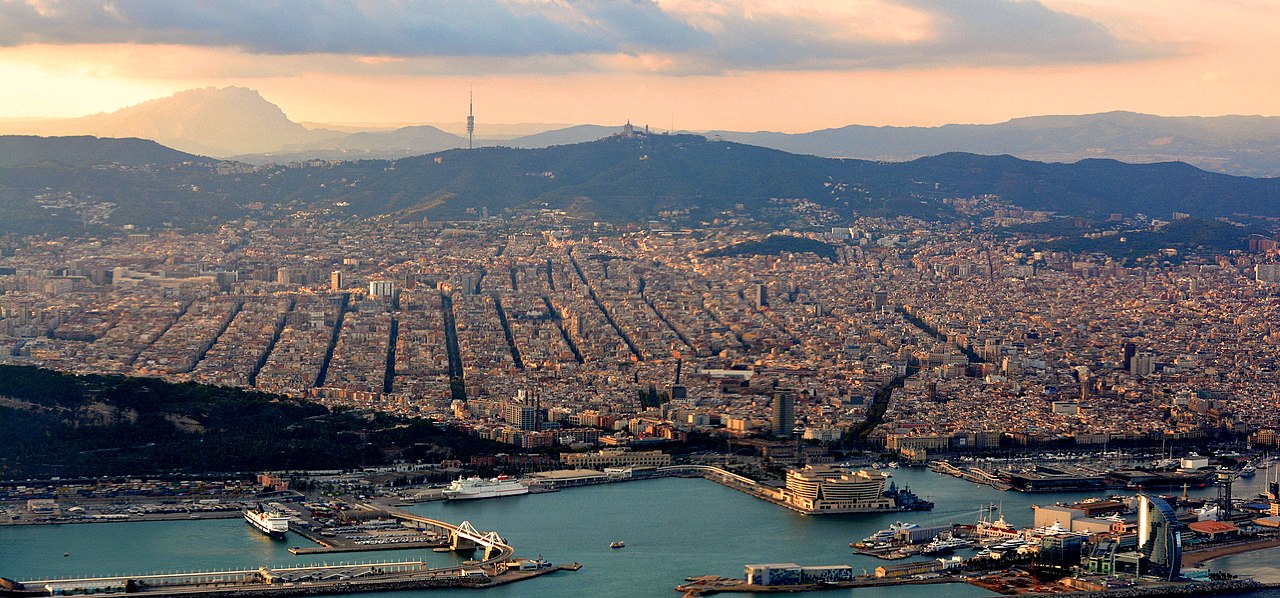
Must-see in Barcelona: a first-timer's guide
A brief history Barcelona began as Roman Barcino, became the maritime capital of the Crown of Aragon, and industrialised early in the 19th century. Catalan cultural revival funded Gaudi and the modernista architects, and the Eixample grid expanded the city beyond its walls. Repressed under Franco, it reinvented itself for the 1992 Olympics by opening its long-neglected waterfront and is now a fiercely Catalan Mediterranean capital. 10 must-see attractions 1. Sagrada Familia — Gaudi's unfinished basilica, a forest of stone columns and coloured light. 2. Park Guell — mosaic terraces and gingerbread pavilions overlooking the city. 3. Casa Batllo — a townhouse remodelled by Gaudi with bone-like balconies and a dragon roof. 4. La Pedrera (Casa Mila) — a wave-fronted apartment block with surreal rooftop chimneys. 5. Gothic Quarter — Roman walls, medieval alleys and the cathedral cloister with its geese. 6. La Boqueria market — jamon, seafood counters and fruit juices off La Rambla. 7. Picasso Museum — his early work, held in five linked medieval palaces. 8. Montjuic — castle, gardens, the Miro Foundation and the magic fountain show. 9. Barceloneta beach — city sand, seafood paella and a long boardwalk. 10. Camp Nou and the FC Barcelona experience — the club's stadium and museum. Tip: book Sagrada Familia and Park Guell online; both cap daily entries.

Must-see in Bucharest: a first-timer's guide
A brief history Bucharest is first mentioned in 1459 under Vlad the Impaler and became the capital of Romania in 1862. Belle-epoque building and French-trained architects earned it the nickname "Little Paris" before the Second World War. Ceausescu's demolition of whole districts for his civic centre, and the 1989 revolution that ended in his execution, left a city where baroque villas, orthodox churches and brutalist blocks stand side by side. 10 must-see attractions 1. Palace of the Parliament — the heaviest building in the world, built by Ceausescu; tours by passport. 2. Romanian Athenaeum — a domed 1888 concert hall with a circular fresco of national history. 3. Lipscani old town — the restored merchant quarter, now terraces, bars and bookshops. 4. Stavropoleos Monastery — a tiny 18th-century church with an exquisite carved stone porch. 5. Village Museum — nearly 300 relocated wooden houses and churches beside Herastrau lake. 6. Revolution Square — the balcony where Ceausescu's last speech was interrupted, plus memorials. 7. Carturesti Carusel — a white six-floor bookshop in a restored 19th-century building. 8. National Museum of Art of Romania — the former royal palace, with medieval and European collections. 9. King Michael I Park (Herastrau) — the city's biggest lake park, good for boats and summer terraces. 10. Therme Bucharest — an enormous palm-filled thermal spa just outside the city. Tip: metro plus ride-hailing beats driving; central traffic is heavy all day.

Must-see in Stockholm: a first-timer's guide
A brief history Stockholm was founded around 1250 on the islands where Lake Malaren meets the Baltic, controlling trade in and out of central Sweden. It became the capital of a great power in the 17th century, then industrialised late and quietly, avoiding both world wars. Twentieth-century social planning and a strong design tradition produced today's clean, water-surrounded city spread across fourteen islands. 10 must-see attractions 1. Gamla Stan — the ochre-coloured medieval old town of narrow lanes and the Stortorget square. 2. Vasa Museum — a 17th-century warship raised almost intact from the harbour mud. 3. Royal Palace — one of Europe's largest palaces, with the daily changing of the guard. 4. Skansen — the world's oldest open-air museum, plus Nordic wildlife. 5. ABBA The Museum — interactive pop history on the museum island of Djurgarden. 6. City Hall — the Nobel banquet hall and a tower climb over the water. 7. Fotografiska — a leading contemporary photography gallery with a top-floor view. 8. Stockholm metro art — stations carved and painted like underground caves. 9. Archipelago boat trip — 30,000 islands, with Vaxholm and Fjaderholmarna the easiest visits. 10. Sodermalm — hilltop viewpoints, vintage shops and the city's best coffee. Tip: a boat ticket often beats the bus for both views and speed.

Must-see in Helsinki: a first-timer's guide
A brief history Helsinki was founded by Sweden in 1550 to rival Tallinn's trade, and stayed a small town until Russia took Finland in 1809 and made it the capital. The neoclassical centre by C. L. Engel dates from that era; independence in 1917 and the wars that followed forged a strong national design culture. Today it is a compact Baltic capital of saunas, islands and clean modern architecture. 10 must-see attractions 1. Suomenlinna — an 18th-century sea fortress across six islands, a short ferry from the market square. 2. Helsinki Cathedral — the white neoclassical church on its high steps above Senate Square. 3. Temppeliaukio Church — a modernist sanctuary blasted directly into bedrock, famous for its acoustics. 4. Uspenski Cathedral — the largest Orthodox church in Western Europe, in red brick above the harbour. 5. Market Square and Old Market Hall — berries, salmon soup and reindeer beside the water. 6. Oodi Central Library — a timber-and-glass civic living room facing parliament. 7. Design District — dozens of studios, vintage shops and the Design Museum in a walkable grid. 8. Ateneum Art Museum — the national collection of Finnish golden-age painting. 9. Loyly or a public sauna — the essential Finnish ritual, followed by a sea plunge. 10. Seurasaari Open-Air Museum — relocated wooden farmhouses on a wooded island of tame squirrels. Tip: summer daylight lasts almost all night — plan long evenings outdoors.

Must-see in Vienna: a first-timer's guide
A brief history Vienna grew from the Roman camp of Vindobona on the Danube into the seat of the Habsburg dynasty, who ruled much of Europe from here for over six centuries. Imperial wealth built its palaces, opera houses and ring boulevard, while around 1900 the city became a laboratory of modern art, music and psychoanalysis. Rebuilt after 1945, it is now known for classical music, coffee houses and one of the highest qualities of life in the world. 10 must-see attractions 1. Schoenbrunn Palace — the Habsburgs' summer residence, with gilded state rooms, a vast baroque garden and the Gloriette viewpoint. 2. St. Stephen's Cathedral — the gothic heart of the city; climb the south tower for rooftop views over the old town. 3. Belvedere Palace — two baroque palaces housing Klimt's "The Kiss" and Austrian art from the Middle Ages to today. 4. Hofburg Palace — the winter residence, home to the imperial apartments, Sisi Museum and the treasury's crown jewels. 5. Kunsthistorisches Museum — Bruegel, Vermeer and Raphael in one of Europe's grandest museum buildings. 6. Spanish Riding School — Lipizzaner stallions performing classical dressage in a white baroque hall. 7. Naschmarkt — a long market street of spice stalls, meze counters and Saturday flea-market bargains. 8. Prater and the Giant Ferris Wheel — a huge green park with a historic funfair and the 1897 Riesenrad. 9. Vienna State Opera — nightly world-class performances, cheap standing tickets and daytime guided tours. 10. Hundertwasserhaus — a playful, uneven, tree-filled social housing block that broke every architectural rule. Tip: buy standing-room opera tickets an hour before curtain, and leave one afternoon for a classic coffee house.

Must-see in Brussels: a first-timer's guide
A brief history Brussels began as a marshland settlement on the road between Cologne and Bruges and grew rich on cloth trading in the Middle Ages. Bombarded by French troops in 1695, its centre was rebuilt in an exuberant guild-house baroque still visible on the Grand Place. Capital of independent Belgium from 1830 and later of the European Union, it is today a bilingual, strikingly international city of art nouveau, comics and civil servants. 10 must-see attractions 1. Grand Place — a UNESCO-listed square ringed by gilded guild halls and the gothic Town Hall. 2. Manneken Pis — the tiny, endlessly costumed fountain boy who became the city's cheeky mascot. 3. Atomium — a 102-metre model of an iron crystal from Expo 58, with panoramic views from the top sphere. 4. Royal Museums of Fine Arts — Flemish masters plus a superb Magritte collection next door. 5. Magritte Museum — several floors devoted to Belgium's greatest surrealist. 6. Galeries Royales Saint-Hubert — a glass-roofed 1847 arcade of chocolatiers and old bookshops. 7. Mont des Arts — terraced gardens with the best skyline view over the lower town. 8. Belgian Comic Strip Center — Tintin, the Smurfs and more in a Victor Horta art nouveau warehouse. 9. Horta Museum — the architect's own house, the purest example of Brussels art nouveau. 10. Parc du Cinquantenaire — triumphal arch, military and car museums in a grand nineteenth-century park. Tip: eat where the queue is Belgian, not where the waiter calls you in from the street.

Must-see in Prague: a first-timer's guide
A brief history Prague rose around a ford on the Vltava and became the capital of Bohemia and, under Charles IV, of the Holy Roman Empire. Centuries of Habsburg rule, the Reformation and the defenestrations of the Bohemian estates left a layered old town that largely escaped wartime destruction. After 1968 and the 1989 Velvet Revolution it reopened to the world with its gothic and baroque skyline intact. 10 must-see attractions 1. Prague Castle — the largest ancient castle complex in the world, with St. Vitus Cathedral at its heart. 2. Charles Bridge — a 14th-century stone bridge lined with baroque saints; walk it at sunrise. 3. Old Town Square and the Astronomical Clock — hourly parade of apostles beneath a medieval clock face. 4. Josefov, the Jewish Quarter — six synagogues and the crowded, moving Old Jewish Cemetery. 5. Petrin Hill — funicular up to a mini Eiffel Tower, rose gardens and the best city view. 6. Vysehrad — a quieter clifftop fortress with a neo-gothic church and the national cemetery. 7. Lennon Wall — an ever-changing wall of graffiti that became a symbol of peaceful protest. 8. Municipal House — art nouveau concert hall with Mucha interiors and a fine café. 9. Dancing House — Frank Gehry's curving riverside landmark, with a rooftop bar. 10. Strahov Monastery Library — two spectacular baroque reading halls above the castle district. Tip: cross Charles Bridge before 8am — after that it belongs to the tour groups.

Must-see in Copenhagen: a first-timer's guide
A brief history Copenhagen started as a fishing village whose harbour Bishop Absalon fortified in 1167 — the name means "merchants' harbour". It became the capital of a Nordic empire, burned and rebuilt repeatedly, and was bombarded by the British fleet in 1807. Twentieth-century social democracy shaped its bicycles, housing and welfare, and today it is a benchmark for design, cycling and New Nordic food. 10 must-see attractions 1. Nyhavn — the postcard canal of coloured 17th-century houses, once sailors' territory. 2. Tivoli Gardens — an 1843 pleasure garden of wooden roller coasters, lanterns and concerts. 3. The Little Mermaid — Andersen's bronze heroine on a harbour rock, smaller than you expect. 4. Christiansborg Palace — parliament, royal reception rooms and a free tower view. 5. Rosenborg Castle — a renaissance royal retreat holding the Danish crown jewels. 6. Freetown Christiania — a self-governing former barracks turned alternative community. 7. Amalienborg — four rococo palaces and the noon changing of the guard. 8. National Museum of Denmark — Viking hoards, bog finds and Nordic history under one roof. 9. Louisiana Museum of Modern Art — coastal sculpture park and modern art 35 minutes north by train. 10. Round Tower — a 17th-century observatory climbed by a spiral ramp instead of stairs. Tip: rent a bike on day one; the city is flat and made for it.

Must-see in Paris: a first-timer's guide
A brief history Paris began as Lutetia, a Gallo-Roman town on an island in the Seine, and became the capital of the Frankish kings and then of a centralised France. The Revolution of 1789, Haussmann's boulevards in the 1850s and the world fairs that produced the Eiffel Tower gave the city its present shape. Occupied but largely undamaged in 1944, it remains a capital of art, food and protest. 10 must-see attractions 1. Eiffel Tower — Gustave Eiffel's 1889 iron tower, best at dusk when it sparkles on the hour. 2. Louvre — the world's most visited museum, from Mesopotamia to the Mona Lisa. 3. Notre-Dame de Paris — the gothic cathedral on the Ile de la Cite, reopened after its restoration. 4. Musee d'Orsay — impressionists in a converted Beaux-Arts railway station. 5. Sainte-Chapelle — a chapel of 15 towering stained-glass windows; go on a bright morning. 6. Montmartre and Sacre-Coeur — hilltop basilica, cobbled lanes and the widest view over the city. 7. Champs-Elysees and the Arc de Triomphe — the ceremonial avenue and its rooftop terrace. 8. Musee Rodin — The Thinker and The Kiss in a mansion garden. 9. Le Marais — medieval streets, falafel queues, galleries and the Place des Vosges. 10. Pere Lachaise Cemetery — a leafy city of tombs, from Chopin to Jim Morrison. Tip: book timed tickets online for the Louvre and the tower; queues eat whole mornings.

Must-see in Berlin: a first-timer's guide
A brief history Berlin was a modest Brandenburg trading town before Prussia turned it into a royal and then imperial capital in 1871. The Weimar years made it Europe's most experimental city; Nazi rule and the Second World War destroyed much of it. Divided by the Wall from 1961 to 1989 and reunified in 1990, it rebuilt as a capital that puts its own difficult history on public display. 10 must-see attractions 1. Brandenburg Gate — the neoclassical gate that stood in the death strip and now marks reunification. 2. Reichstag — Norman Foster's glass dome over parliament; free with advance registration. 3. East Side Gallery — the longest surviving stretch of the Wall, painted by artists in 1990. 4. Museum Island — five great museums including the Pergamon and the bust of Nefertiti. 5. Memorial to the Murdered Jews of Europe — 2,711 concrete stelae with an underground information centre. 6. Checkpoint Charlie and the Wall Memorial on Bernauer Strasse — the Cold War border explained on site. 7. Berlin TV Tower — the tallest structure in Germany, with a revolving view over both former halves. 8. Charlottenburg Palace — baroque royal residence with formal gardens. 9. Tiergarten and the Victory Column — a huge central park with a golden angel at its centre. 10. Kreuzberg and Neukoelln — Turkish markets, canal-side beer gardens and Berlin's club and street-art culture. Tip: distances are big — buy a day travel pass and use the S-Bahn.

Must-see in Athens: a first-timer's guide
A brief history Athens has been inhabited for over 5,000 years and in the 5th century BC invented much of what we call classical civilisation — democracy, drama and philosophy. Roman, Byzantine and four centuries of Ottoman rule followed, leaving a village of a few thousand people by 1830. Chosen as capital of the new Greek state, it exploded in size in the 20th century and now spreads from the Acropolis to the sea. 10 must-see attractions 1. Acropolis and the Parthenon — the marble temple of Athena crowning the sacred rock. 2. Acropolis Museum — the surviving sculptures displayed in glass halls facing the hill itself. 3. Ancient Agora — the civic centre where Socrates argued, with the well-preserved Temple of Hephaestus. 4. Plaka — the old quarter of neoclassical houses, tavernas and bougainvillea beneath the Acropolis. 5. National Archaeological Museum — the greatest collection of Greek antiquities anywhere. 6. Temple of Olympian Zeus and Hadrian's Arch — colossal columns from Athens' Roman heyday. 7. Panathenaic Stadium — all-marble stadium that hosted the first modern Olympics in 1896. 8. Mount Lycabettus — funicular to the highest point in the city for sunset over the Parthenon. 9. Monastiraki flea market — copper, records and souvlaki around a crowded square. 10. Cape Sounion — the cliff-edge Temple of Poseidon, a 90-minute drive down the coast. Tip: climb the Acropolis at opening time in summer; by midday the rock is furnace-hot.

Must-see in Budapest: a first-timer's guide
A brief history Budapest was created in 1873 by merging hilly Buda and Obuda with flat, commercial Pest across the Danube. The Romans had a garrison here, the Ottomans ruled for 150 years and left the bath culture, and the Austro-Hungarian boom built the grand boulevards and the parliament. Battered in 1945 and again in the 1956 uprising, the city today mixes imperial grandeur with ruin bars and thermal spas. 10 must-see attractions 1. Hungarian Parliament Building — a vast neo-gothic riverfront palace holding the Holy Crown. 2. Buda Castle Hill — royal palace, cobbled lanes and funicular from the Chain Bridge. 3. Fisherman's Bastion — fairytale white terraces with the classic view across the river. 4. Szechenyi Thermal Bath — grand yellow spa complex with outdoor pools warm all winter. 5. Chain Bridge — the first permanent bridge between Buda and Pest, guarded by stone lions. 6. St. Stephen's Basilica — city's largest church, with a dome walkway over the rooftops. 7. Great Market Hall — paprika, salami and langos under an ironwork roof. 8. Dohany Street Synagogue — the biggest synagogue in Europe, with a moving memorial garden. 9. House of Terror — the former secret-police headquarters, now a museum of both dictatorships. 10. Ruin bars of District VII — derelict courtyards turned into mismatched, plant-filled bars. Tip: buy bath tickets online and bring flip-flops and a towel.

Must-see in Amsterdam: a first-timer's guide
A brief history Amsterdam grew from a 13th-century dam on the Amstel into the richest port in the world during the Dutch Golden Age, when the canal ring was dug and the East India Company financed its merchant houses. Tolerance drew Protestant, Jewish and Huguenot refugees; the Nazi occupation destroyed most of that Jewish community. Postwar squatting, cycling and liberal social policy shaped the compact, water-laced city of today. 10 must-see attractions 1. Rijksmuseum — Rembrandt's Night Watch, Vermeer and 800 years of Dutch art. 2. Van Gogh Museum — the largest collection of his paintings and letters, hung chronologically. 3. Anne Frank House — the secret annexe where the diary was written; tickets online only. 4. Canal ring cruise — the UNESCO-listed 17th-century canals seen from the water. 5. Jordaan — narrow streets of galleries, brown cafés and the Noordermarkt market. 6. Vondelpark — the city's green living room, full of cyclists, joggers and picnics. 7. Royal Palace on Dam Square — a Golden Age town hall turned palace, opulent inside. 8. Rembrandt House Museum — the artist's restored home and printmaking studio. 9. NDSM and Amsterdam Noord — a free ferry to former shipyards full of street art and food halls. 10. Keukenhof or the flower market — tulips in season, bulbs the rest of the year. Tip: stay out of the bike lanes; they are traffic, not pavement.

Must-see in Oslo: a first-timer's guide
A brief history Oslo was founded around 1040 and rebuilt as Christiania by King Christian IV after a fire in 1624, remaining a modest town under Danish and then Swedish rule. Full independence in 1905 and the discovery of North Sea oil in the late 1960s transformed the country's wealth. The last two decades of waterfront redevelopment have turned a quiet capital into a showcase of contemporary Nordic architecture between fjord and forest. 10 must-see attractions 1. Vigeland Sculpture Park — over 200 granite and bronze figures by Gustav Vigeland in Frogner Park. 2. Oslo Opera House — a marble iceberg you can walk up for fjord views. 3. Viking Ship Museum and the Bygdoy museums — burial ships, polar vessels and the Kon-Tiki raft. 4. Munch Museum — thirteen floors devoted to Edvard Munch, including versions of The Scream. 5. Akershus Fortress — a medieval castle guarding the harbour, with wartime resistance museum. 6. National Museum — the Nordic region's largest art museum, opened in 2022. 7. Holmenkollen ski jump — the landmark jump, ski museum and a long view over the city. 8. Aker Brygge and Tjuvholmen — waterfront boardwalks, seafood and the Astrup Fearnley Museum. 9. Oslofjord island hopping — public ferries to Hovedoya and Langoyene for swimming and ruins. 10. Nordmarka forest — trams and metro reach hiking and cross-country trails within 30 minutes. Tip: eat before ordering another round — Oslo drink prices are famously steep.

Must-see in Krakow: a first-timer's guide
A brief history Krakow was Poland's royal capital from 1038 until the court moved to Warsaw in 1596, and its university has taught since 1364. Spared the wholesale destruction of the war, it kept its medieval street plan, though the Nazis annihilated the Jewish community of Kazimierz and built Plaszow camp nearby. Post-communist restoration made it Poland's cultural capital and its most visited city. 10 must-see attractions 1. Main Market Square — Europe's largest medieval square, with the trumpet call from St. Mary's tower each hour. 2. St. Mary's Basilica — gothic church holding Veit Stoss's spectacular carved wooden altarpiece. 3. Wawel Castle and Cathedral — the royal hill where Polish kings were crowned and buried. 4. Cloth Hall — a renaissance trading hall of amber and craft stalls, with a gallery upstairs. 5. Kazimierz — the old Jewish quarter, now synagogues, memorials and late-night bars. 6. Schindler's Factory Museum — occupation-era Krakow told through the enamel works. 7. Auschwitz-Birkenau — the memorial and museum 70 km west; a sobering essential day trip. 8. Wieliczka Salt Mine — chapels, chandeliers and statues carved from rock salt underground. 9. Planty Park — a green ring of gardens where the city walls once stood. 10. Kosciuszko Mound — a man-made hill with a panorama over the city and the Vistula. Tip: book Auschwitz and Wieliczka tickets weeks ahead in summer.

Must-see in Lisbon: a first-timer's guide
A brief history Lisbon has Phoenician and Moorish roots and became the launchpad of the Age of Discovery, growing fabulously rich on spice routes to India and Brazil. The 1755 earthquake and tsunami flattened the lower town, which the Marquis of Pombal rebuilt on a strict grid. A dictatorship until the 1974 Carnation Revolution, the city is now a sunlit capital of tiled façades, trams and fado. 10 must-see attractions 1. Belem Tower — a fortified riverside tower in Manueline style, symbol of the Discoveries. 2. Jeronimos Monastery — vast carved cloisters built with pepper money; Vasco da Gama is buried here. 3. Sao Jorge Castle — Moorish walls above the city with the widest viewpoint. 4. Alfama — the oldest quarter, a maze of stairs, laundry lines and fado houses. 5. Tram 28 — a wooden tram that grinds through the historic hills; ride it early. 6. Time Out Market — the city's best cooks under one roof at Cais do Sodre. 7. Praca do Comercio — the grand riverside square that opens Pombal's rebuilt downtown. 8. LX Factory — an industrial complex turned bookshops, studios and rooftop bars. 9. Pasteis de Belem — the original custard tarts, served warm with cinnamon since 1837. 10. Sintra — palaces and Moorish ruins in misty hills, 40 minutes by train. Tip: pack real shoes; the polished calcada pavements are lethal in the rain.
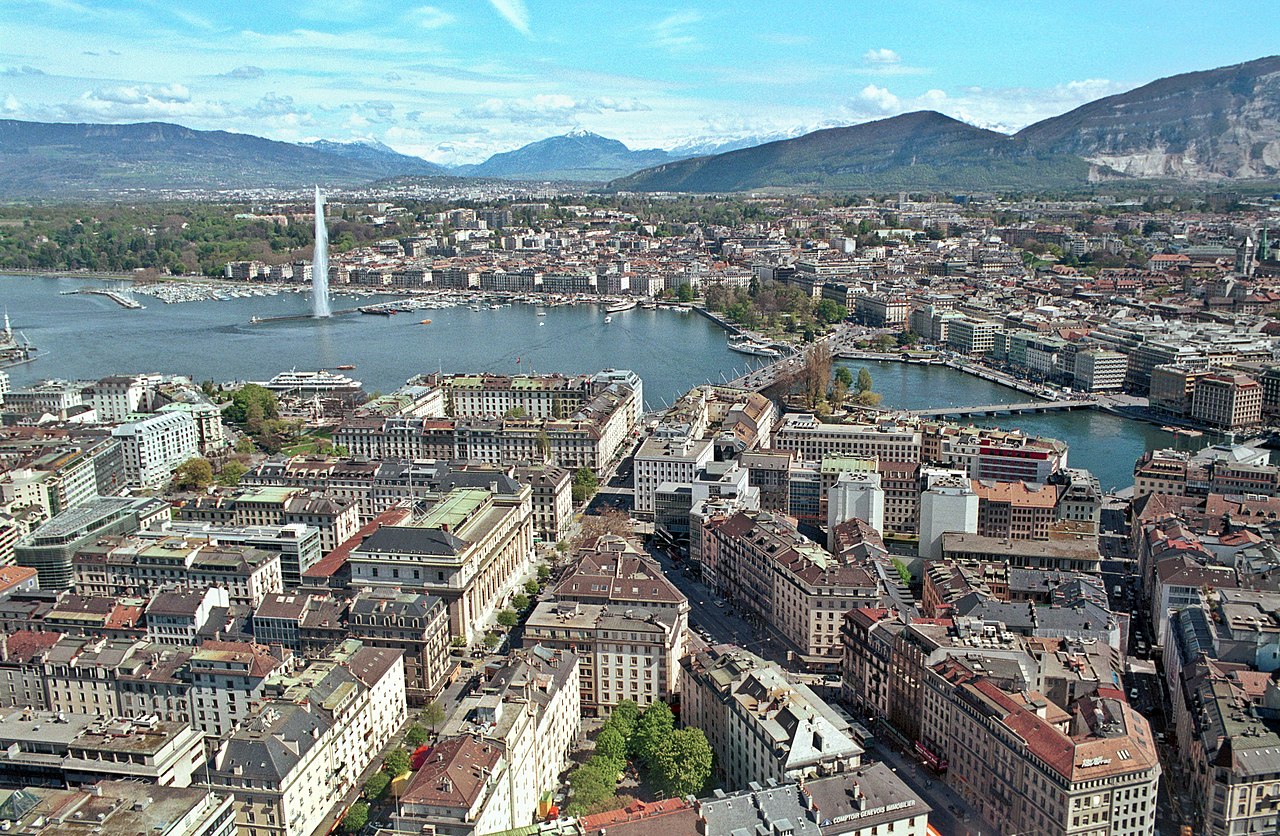
Must-see in Geneva: a first-timer's guide
A brief history Geneva was a Roman border town that became a self-governing city-state and, under Calvin from 1536, the "Protestant Rome" and a refuge for religious exiles. Watchmaking and banking grew from that refugee skill and capital. Joining Switzerland in 1815 and hosting the Red Cross, the League of Nations and later the UN made it a small lakeside city with outsized international weight. 10 must-see attractions 1. Jet d'Eau — the 140-metre lake fountain that became the city's emblem. 2. Old Town and St. Pierre Cathedral — cobbled heights, Calvin's church and a tower panorama. 3. Palais des Nations — the UN's European headquarters, visitable by guided tour. 4. International Red Cross and Red Crescent Museum — a powerful museum on humanitarian history. 5. Lake Geneva promenades and the Bains des Paquis — swimming, sauna and fondue on the water. 6. Reformation Wall — monumental statues of Calvin and the reformers in Parc des Bastions. 7. Patek Philippe Museum — five centuries of watchmaking and enamel miniatures. 8. Carouge — a Sardinian-built neighbourhood of artisan workshops and shaded terraces. 9. Mont Saleve — a cable car just over the French border for the Alpine view back over the lake. 10. CERN Science Gateway — free exhibitions on particle physics at the world's largest laboratory. Tip: hotel guests get a free public transport card — ask at check-in.

Must-see in Delhi: a first-timer's guide
A brief history Delhi is a layering of at least seven historic cities, from 12th-century Mehrauli under the Delhi Sultanate to Shah Jahan's walled Shahjahanabad of 1648. The Mughals built its mosques, forts and tombs; the British moved the capital here in 1911 and Lutyens laid out New Delhi's avenues. Partition in 1947 reshaped its population overnight, and today the capital region holds more than 30 million people. 10 must-see attractions 1. Red Fort — Shah Jahan's red sandstone citadel, from whose ramparts independence is marked each year. 2. Jama Masjid — India's largest mosque, with a courtyard for 25,000 and a minaret climb. 3. Qutub Minar — a 73-metre 12th-century victory tower beside an iron pillar that will not rust. 4. Humayun's Tomb — the garden tomb that was the design blueprint for the Taj Mahal. 5. India Gate and Rajpath — the war memorial arch at the end of the ceremonial avenue. 6. Lotus Temple — a serene Bahai house of worship shaped like an opening flower. 7. Akshardham — a vast modern Hindu temple complex of carved stone, with evening water show. 8. Chandni Chowk — Old Delhi's chaotic bazaar; take a rickshaw and eat parathas. 9. Lodhi Gardens and Lodhi Art District — 15th-century tombs in a park, plus large street murals. 10. Raj Ghat and the Gandhi Smriti — the memorial where Gandhi was cremated and the house where he died. Tip: use the metro to skip traffic, and visit monuments early to avoid heat and crowds.

Must-see in London: a first-timer's guide
A brief history London began as Roman Londinium around AD 47, was refounded by the Saxons, and became the capital of England after the Norman conquest. The Great Fire of 1666 cleared the medieval city for Wren's churches; empire and industry then made it the largest city on earth by 1900. Bombed in the Blitz and rebuilt through waves of postwar migration, it is now one of the most multicultural capitals in the world. 10 must-see attractions 1. Tower of London — Norman fortress, prison and home of the Crown Jewels. 2. British Museum — the Rosetta Stone, Parthenon sculptures and world collections, free to enter. 3. Westminster Abbey and the Houses of Parliament — coronation church beside Big Ben. 4. Buckingham Palace — the royal residence, with summer state room tours and the guard change. 5. Tate Modern — modern art in a converted power station on the South Bank. 6. St. Paul's Cathedral — Wren's dome, with the whispering gallery and a rooftop view. 7. Borough Market — a 1,000-year-old food market beside London Bridge. 8. Camden and Notting Hill markets — vintage, street food and Portobello Road antiques. 9. Hyde Park and Kensington Gardens — boating, Speakers' Corner and the palace. 10. Greenwich — the Cutty Sark, the Royal Observatory and the prime meridian, best reached by river boat. Tip: tap in with a contactless card; daily fare capping beats paper tickets.

Must-see in Dublin: a first-timer's guide
A brief history Dublin was founded as a Viking longphort on the Liffey in the 9th century and became the base of English rule in Ireland for 700 years. Georgian building in the 1700s gave it the brick terraces and elegant doors; the 1916 Easter Rising and the War of Independence made it the capital of a free state. Since the 1990s it has grown into a young, expensive, tech-driven city that still runs on conversation. 10 must-see attractions 1. Trinity College and the Book of Kells — the 9th-century illuminated gospels and the Long Room library. 2. Guinness Storehouse — seven floors on the black stuff, ending in the Gravity Bar view. 3. Dublin Castle — seat of British rule, with state apartments and the Chester Beatty Library next door. 4. Kilmainham Gaol — the prison where the 1916 leaders were executed; book well ahead. 5. St. Patrick's Cathedral — Ireland's largest church, where Jonathan Swift was dean. 6. Temple Bar — cobbled nightlife quarter, best for daytime galleries and weekend food markets. 7. National Museum of Ireland, Archaeology — bog bodies and Celtic gold on Kildare Street. 8. Phoenix Park — one of Europe's biggest city parks, with a wild fallow deer herd. 9. EPIC The Irish Emigration Museum — interactive telling of the global Irish diaspora. 10. Howth cliff walk — a coastal loop and seafood lunch 25 minutes out on the DART. Tip: pubs with a snug and no TV usually have the best live trad sessions.